Chlamydia in Ireland: Symptoms, Causes and How to Protect Yourself

I hope you found this information helpful. If you’d like, you can easily book your medical appointment today.
Medically reviewed by Dr. Liam Regan, MB BS MA (Hons) | Founder, Nassau Clinic Dublin
10 min read | Oct 12, 2026
Chlamydia is the most commonly diagnosed sexually transmitted infection in Ireland. According to the Health Protection Surveillance Centre (HPSC), chlamydia remained the most commonly notified sexually transmitted infection in Ireland in 2025 ↗ , with 10,337 cases recorded, more than any other STI. Because most people with chlamydia have no symptoms, the true number of infections is likely much higher. Getting tested is the only reliable way to know for certain.
This guide covers what chlamydia is, how it spreads, what symptoms to look out for, and how to reduce your risk.
TL;DR: Chlamydia is the most commonly diagnosed STI in Ireland and often causes no symptoms. It spreads through vaginal, anal and oral sex and can lead to complications if left untreated. Testing is the only reliable way to know if you have it. Wait around 2 weeks after exposure before testing, and if positive, complete the prescribed antibiotic course and avoid sex until treatment is complete and partners have been treated. Regular STI testing and condom use help reduce your risk.
Key Takeaways
- Chlamydia is the most commonly diagnosed STI in Ireland, and most people have no symptoms.
- It spreads through vaginal, anal and oral sex, and can cause serious complications if left untreated.
- Testing around two weeks after exposure helps reduce the risk of a false negative result.
- A urine test may not detect throat or rectal infections, so additional swabs may be needed.
- Chlamydia is treatable with antibiotics, but avoiding sex until treatment is complete and partners are treated helps prevent reinfection.
- Retesting around three months after treatment helps detect reinfection, which is common.
What Causes Chlamydia?
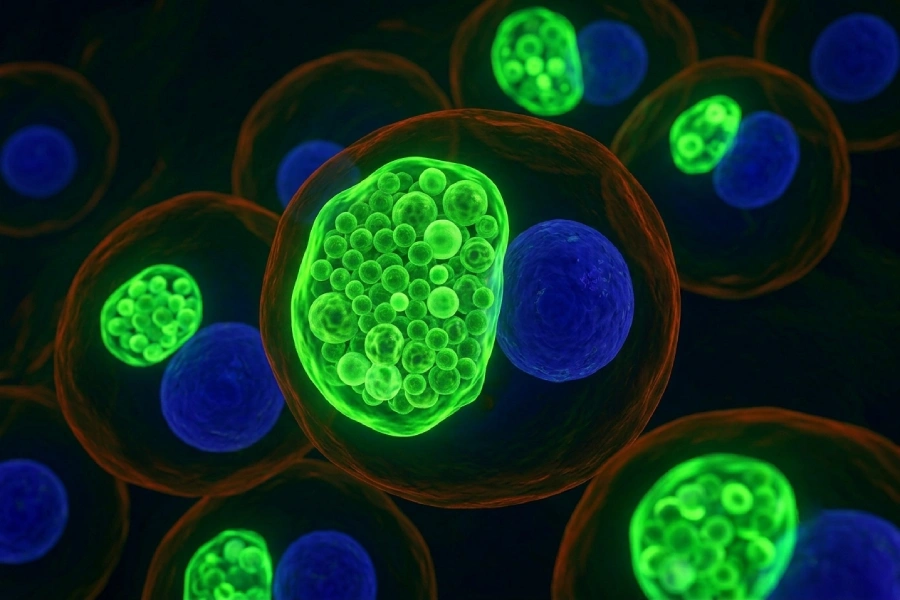
Chlamydia is caused by the bacterium Chlamydia trachomatis. It is passed on through unprotected vaginal, anal, or oral sex. It can also spread through direct genital contact or shared sex toys that have not been cleaned, even when full penetration or ejaculation has not occurred. A mother with chlamydia can pass the infection to her baby during childbirth, which can lead to eye infections or pneumonia in the newborn.
Chlamydia does not spread through everyday contact such as hugging, sharing towels, or using the same toilet.
What are the symptoms of Chlamydia?
The majority of people with chlamydia have no symptoms at all. This is what makes it so common and so easy to pass on without knowing
When symptoms do occur, they can differ between men and women.
Symptoms of chlamydia in women
- Unusual vaginal discharge
- A burning sensation when urinating
- Pain or discomfort in the lower abdomen
- Bleeding between periods or after sex
Symptoms of chlamydia in men
- Unusual discharge from the penis
- A burning sensation when urinating
- Pain or swelling in one or both testicles
Chlamydia in the rectum and throat
Chlamydia can also affect the rectum and throat, not just the genitals. These infections are common among people who have had unprotected anal or oral sex and are frequently asymptomatic, meaning they cause no symptoms at all. If you have had unprotected anal or oral sex, it is important to tell your doctor so that site-specific swabs can be taken during your test. A standard urine sample alone will not detect rectal or throat infections.
Complications of untreated Chlamydia
Chlamydia is straightforward to treat when caught early. Without treatment, it can lead to more serious health problems over time.
In women, untreated chlamydia can develop into pelvic inflammatory disease (PID), an infection of the uterus and fallopian tubes. PID can cause chronic pelvic pain, fever, and in some cases, infertility or ectopic pregnancy.
In men, it can cause epididymitis, which is inflammation of the tube that carries sperm. This can result in pain and swelling in the testicles.
Untreated chlamydia can also increase the risk of acquiring or transmitting other sexually transmitted infections, including HIV. If you are pregnant and have chlamydia, there is a risk of passing the infection to your baby during birth.
If you have any concerns, the safest step is to get tested.
Chlamydia and pregnancy
If you are pregnant and think you may have been exposed to chlamydia, it is important to tell your doctor or midwife as soon as possible. Chlamydia can pass to your baby during birth and cause eye infections or pneumonia in newborns. Treatment during pregnancy is possible but differs from standard treatment, so inform the clinic that you are pregnant when booking your appointment.
How is Chlamydia tested?
Testing for chlamydia is quick, simple and painless. A urine sample and a swab are taken and sent to the laboratory for analysis. If you have had anal or oral sex, additional swabs from the rectum or throat may also be needed, as these infections are frequently asymptomatic and will not show up on a standard urine test alone.
A chlamydia test is usually offered alongside testing for other STIs, including gonorrhoea, HIV and syphilis. A negative chlamydia result does not rule out other infections, so it makes sense to test for everything at the same time.
Nassau Clinic offers private chlamydia testing in Dublin 2 with no referral needed.
How soon after exposure can you get tested?
It is best to wait around 2 weeks after unprotected sex before testing for chlamydia. Testing too early can produce a false negative result. If you have symptoms, book a test as soon as possible rather than waiting. If you test negative but are still concerned, you may be advised to retest once the window period has passed.
How long do results take?
Chlamydia test results at Nassau Clinic are available within 7 working days. You will be told how and when you will receive your result at your appointment.
If your result is positive, Dr. Liam will contact you to discuss treatment and can answer any questions you have during that call. If your result is negative, no further testing is usually needed provided the test was taken after the two-week window period. If you tested earlier than that, you will be advised to retest, as an early test can miss the infection.

How is Chlamydia treated?
If your test result is positive, chlamydia is treated with a short course of oral antibiotics, taken twice daily for 7 days. It is important to complete the full course, even if your symptoms improve before you finish it.
When can I have sex after treatment?
Avoid all sexual contact, including oral sex and sex with a condom, until 7 days after you finish the course and until any recent partners have also been tested and treated. Having sex before both partners have completed treatment is one of the most common reasons chlamydia is passed back and forth.
Retesting after treatment
Completing your course of antibiotics does not protect you from getting chlamydia again. Reinfection is common, particularly if a partner has not been tested or treated. It is generally advised to retest around 3 months after completing treatment.
Start feeling better—treat chlamydia now
Fast, confidential chlamydia testing and treatment, with appointments available Thursday evenings and weekends.
BOOK YOUR TEST
How to prevent Chlamydia
There is no vaccine for chlamydia, but there are straightforward steps you can take to reduce your risk.
- Use a condom. Using a condom correctly during vaginal, anal, and oral sex greatly reduces your risk of chlamydia and other sexually transmitted infections, though it does not remove the risk entirely.
- Get tested regularly. If you have a new partner or multiple partners, regular testing is one of the most reliable ways to stay on top of your sexual health. Many people with chlamydia have no symptoms, so testing is the only way to know for certain.
- Tell your partners. If you test positive, informing recent sexual partners allows them to get tested and treated. This helps prevent the infection from spreading further.
- Limit the number of partners. Having fewer sexual partners reduces your overall risk of exposure to chlamydia and other sexually transmitted infections.
When to see a doctor
You should see a doctor if:
- You have any of the symptoms listed above
- You have had unprotected sex with a new or multiple partners
- A current or recent partner has tested positive for chlamydia
- You have not been tested in a while and are sexually active
You do not need to wait for symptoms to appear before getting tested. Because chlamydia often has no symptoms, routine testing is the most reliable way to catch it early.
When to seek urgent medical care
Some symptoms require prompt attention and should not wait for a routine appointment. Seek urgent medical care or call 999 or 112 if you experience:
- Sudden or severe pain in a testicle, or testicle pain accompanied by nausea or abdominal pain
- Testicle pain that has lasted more than an hour or persists at rest
- Severe or worsening pain in your lower abdomen or pelvis
- Pelvic pain with heavy vaginal bleeding
- Pelvic pain with a high temperature, vomiting, dizziness, or faintness
Sudden testicle pain can indicate testicular torsion, which requires urgent hospital treatment. Severe pelvic or abdominal pain can be a sign of serious PID or an ectopic pregnancy.
Looking for Weekend GP in Dublin?
I'm Dr. Liam Regan, and I'm here to provide expert care so you can feel confident, informed, and in control. Book your appointment today.
Get tested for Chlamydia in Dublin
If you think you may have been exposed to chlamydia, or if you simply want peace of mind, getting tested is the right next step. Nassau Clinic offers private chlamydia testing and treatment in Dublin 2, with no referral needed. A Full STI Screen costs €150 and results are available within 7 working days. Book online today.
Medical disclaimer
The information on this page is provided for general informational purposes only and is not a substitute for professional medical advice. If you have concerns about your health, please consult a healthcare professional.
About the author:
Dr. Liam Regan, MB BS MA (Hons)
Founder of Nassau Clinic in Dublin
Dr. Regan is a registered GP with the Medical Council of Ireland (No: 402969) and a member of the Irish College of General Practitioners (ICGP No: 225965). He graduated from Barts and the London School of Medicine and has trained across Ireland and the UK, with a special interest in Sexual Health and Nutrition.
Looking for Weekend GP in Dublin?
I'm Dr. Liam Regan, and I'm here to provide expert care so you can feel confident, informed, and in control. Book your appointment today.